

 Deutschland
 Europe
 France
 Nederland
 United Kingdom
Safety Starts Inside the Cell
Less liquid organic solvent. Fewer sources of risk.



Less flammable solvent
Reduce flammable gas generation at the source.
Reduced leakage and vaporisation
A gel-like structure limits spread and reduces contact with air.
Lower risk of internal short circuits
Help block lithium dendrite penetration and reduce short-circuit conditions at the material level.


Semi-Solid Safety That Stands Up to Extreme Conditions
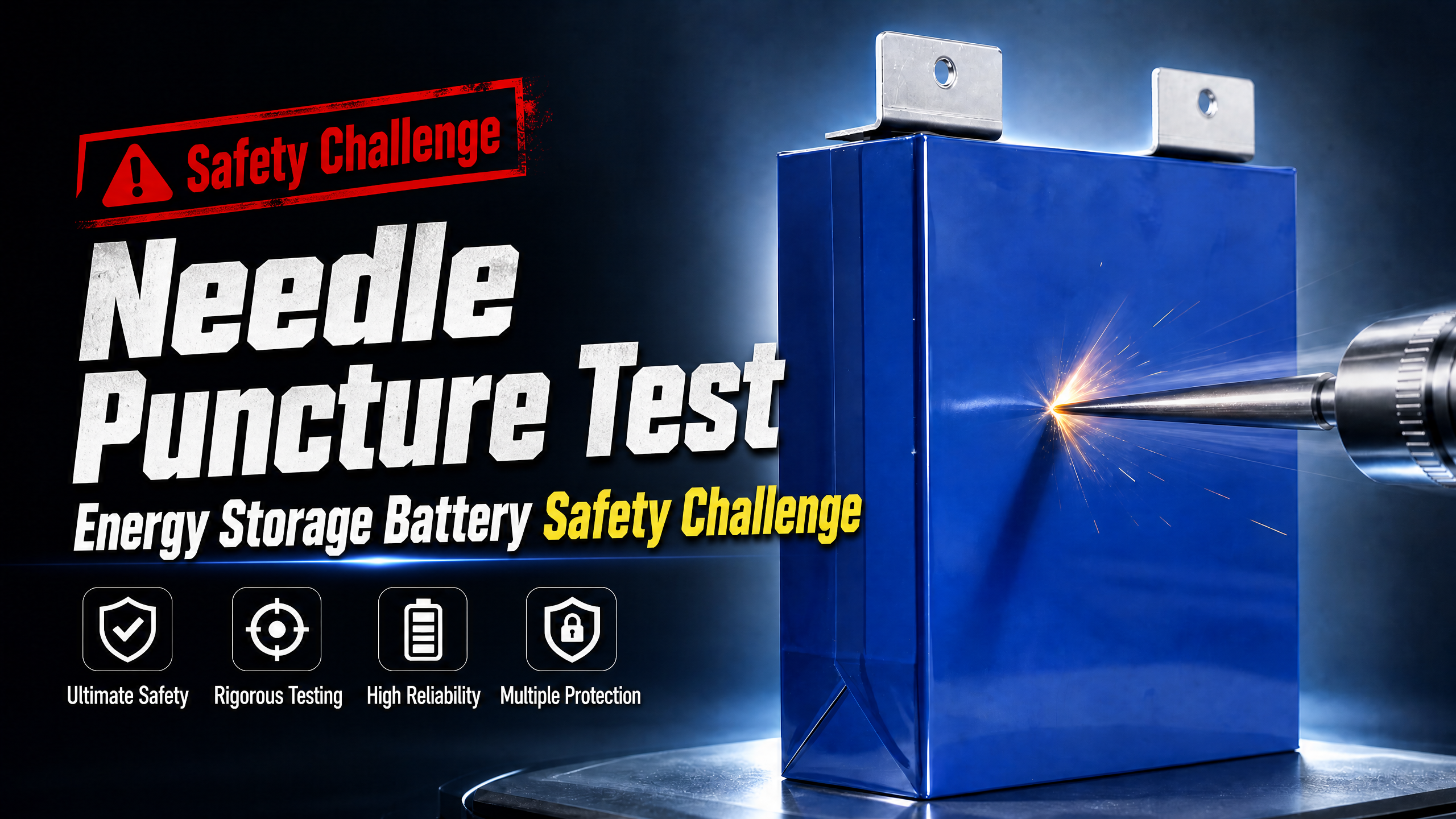
From high temperature and impact/crushing to overcharge tests, Indevolt semi-solid LiFePO₄ cells demonstrate stable performance across demanding scenarios. The result: no fire, no smoke, no explosion. Safety starts at the material level, giving your home energy storage greater peace of mind.
Material-Level Safety, System-Level Protection

Semi Solid Batteries
SolidFlex 3000 AC
-

-

-

799.00€
Semi Solid Batteries
SolidFlex 3000 AC


799.00€
FAQ
Does a semi‑solid battery guarantee zero fire risk?
Does a semi‑solid battery guarantee zero fire risk?
No. A more accurate statement is that semi-solid batteries significantly reduce fire and thermal runaway risk by reducing flammable organic solvents, lowering leakage and vaporization, and suppressing internal short-circuit triggers. However, every battery system still requires BMS, structural protection, proper installation, and correct use.
LiFePO₄ is already very safe – why do we still need semi‑solid technology?
LiFePO₄ is already very safe – why do we still need semi‑solid technology?
It's true that LiFePO₄ is more stable than NCM. However, conventional LFP cells still rely on liquid electrolytes. Under extreme conditions – such as high temperatures, overcharging, short circuits, or physical damage – the organic solvents in these liquid electrolytes can still release flammable gases.Semi‑solid technology addresses precisely this material‑level risk. By replacing part of the liquid electrolyte with a gel‑state alternative, it further reduces the likelihood of flammable gas generation and leakage.
What does the nail penetration test prove?
What does the nail penetration test prove?
A nail penetration test simulates an extreme internal short circuit caused by a sharp object piercing the cell. If a semi-solid cell shows no fire, no smoke, and no explosion after penetration, it indicates more stable safety performance under internal short-circuit conditions.
What's the difference between the safety logic of semi‑solid technology and BMS?
What's the difference between the safety logic of semi‑solid technology and BMS?
BMS is system-level protection for monitoring, warning, and control. Semi-solid technology is material-level safety that reduces the conditions for flammable gas formation, leakage, vaporization, and internal short circuit inside the cell. They are complementary, not substitutes.
Is semi‑solid battery suitable for plug-in home batteries?
Is semi‑solid battery suitable for plug-in home batteries?
They are suitable for solar energy storage scenarios where home safety is a priority. Plug-in home batteries are close to living spaces and may face sunlight, temperature changes, and daily load fluctuations over time. Semi-solid batteries improve the safety foundation at the material level, matching users’ need for long-term peace of mind.